

Key Takeaways
- Utilize window treatments to block and reduce heat inside your home.
- Use ceiling fans correctly to improve air circulation and move cool air efficiently.
- Perform regular air conditioning maintenance to keep systems running at peak performance.
- Incorporate energy-saving habits to manage utility costs and system longevity.
Table of Contents
- Effective Use of Window Treatments
- Optimizing Ceiling Fan Usage
- Regular Air Conditioning Maintenance
- Energy-Efficient Practices
- Conclusion
Charlotte’s summer heat can be relentless, and maintaining a cool, comfortable home becomes a top priority as temperatures and humidity rise. Whether you’re trying to reduce utility costs or want to make your living spaces more pleasant, there are several effective solutions. Incorporating strategic cooling strategies can help ensure you stay comfortable throughout the sweltering season. Not only does smart cooling make your living environment more tolerable, but it also helps you avoid excessive wear and tear on your air conditioning system. By taking a comprehensive approach to heat management, from window treatments to appliance selection, you can combat Charlotte’s notorious summer weather efficiently.
While addressing indoor heat is essential for comfort, maintaining your home’s electrical systems is equally important during summer, as overloaded circuits and increased appliance use can pose safety risks.
Effective Use of Window Treatments
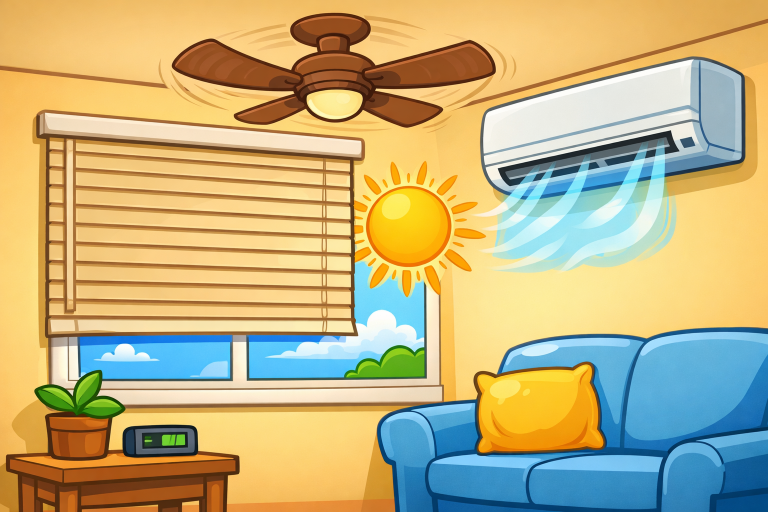
Windows are among the leading sources of unwanted heat in homes, especially during midday and late afternoon. Installing well-fitted blinds, shades, or curtains can be a simple yet effective barrier against solar gain. Focusing on windows that face south and west will deliver the greatest impact, since these areas receive the longest exposure to sunlight throughout the day. Opting for thermal-backed or blackout curtains can help further insulate your space, keeping rooms noticeably cooler. According to the U.S. Department of Energy, window coverings can reduce heat gain by up to 77 percent when fully closed during peak sunlight hours. For more ideas on window treatments, visit energy.gov for practical guidance on window treatments. Another helpful consideration is exterior window coverings, such as awnings or solar screens. These can block sunlight before it even enters your home, offering another layer of protection against heat gain. Window films, which are available in various tints and strengths, also reduce the transfer of solar energy through glass and are relatively easy to install. For those interested in a low-maintenance solution, planting shade trees or bushes near sun-facing windows provides natural shade and enhances curb appeal.
Optimizing Ceiling Fan Usage
Ceiling fans are a practical supplement to your cooling system, helping to move air and create a wind-chill effect that makes occupied rooms feel cooler. During summer, make sure your fan blades rotate counter-clockwise to push cooler air down. This airflow can allow you to raise the thermostat setting by about 4 degrees Fahrenheit without reducing comfort, which can lead to savings on energy bills. It’s important to remember that fans cool people, not rooms, so always turn fans off in unoccupied spaces. Besides ceiling fans, you may also use portable fans, box fans, or even whole-house attic fans to enhance airflow. Placing fans strategically near windows at night or early morning can pull in cooler outside air, reducing the burden on your AC. When using fans, keep interior doors open to promote cross-ventilation. Ensuring unobstructed airflow in your home can help every room reach a comfortable temperature more quickly and evenly.
Regular Air Conditioning Maintenance
Your air conditioner becomes the workhorse of your home during the hottest months. To ensure optimal performance, regular maintenance is crucial. Change or clean air filters every one to three months, as dirty filters make systems work harder, increasing energy use and reducing cooling efficiency. It is also advisable to schedule an annual professional inspection. A properly serviced unit not only extends the lifespan of your AC but minimizes the chance of inconvenient breakdowns in the middle of a heat wave. Neglecting maintenance can reduce your system’s efficiency by up to 15 percent, according to the Consumer Reports guide to air conditioner care. Beyond filters and inspections, clear debris from around outdoor condenser units and ensure that vents or registers are not blocked by furniture or drapes indoors. These simple maintenance practices can make a substantial difference in system performance. If you notice odd noises, reduced airflow, or rooms that never seem to cool down, don’t ignore these early signs of a potential issue; addressing them promptly can ward off costly repairs later.
Energy-Efficient Practices
Incorporating energy-efficient practices can help strike a balance between comfort and cost. Adjust your thermostat to 78°F when you are home and set it higher when away. Using a programmable or smart thermostat enables automatic adjustments that align with your daily schedule, minimizing system operation when it’s not needed. Beyond temperature controls, ensure exterior doors and windows are tightly sealed, and consider adding insulation in attics or crawl spaces to keep cool air in and hot air out. These upgrades can significantly reduce cooling costs and make your home more sustainable during hot months. For additional tips on home cooling and insulation, The New York Times Wirecutter offers valuable insights for a range of home setups. Another energy-smart habit is to minimize interior heat sources during the hottest parts of the day. Postpone using ovens, stoves, or heat-generating appliances until the evening. Instead, opt for grilling outside or making no-cook meals, switch to LED bulbs, which generate less heat, and unplugging devices when not in use are other small but impactful steps. For those seeking greater efficiency, upgrading to an ENERGY STAR-rated air conditioning system can drastically reduce electricity use, delivering long-term energy and cost savings.
Conclusion
Managing Charlotte’s summer heat requires a combination of effective strategies and practical upgrades. By prioritizing window treatments, strategically using ceiling fans, maintaining your air conditioning, and adopting smart energy habits, you can keep your home cool while controlling energy costs. Being proactive now can make a significant difference in comfort and efficiency, helping you get the most out of the summer season while protecting your home’s cooling infrastructure. Across the board, it pays to be both thoughtful and thorough when planning for the heat. Consider conducting a home energy audit to identify hidden energy losses and receive tailored recommendations. Many utility companies offer rebates or incentives for implementing energy-saving measures, so check local programs to maximize your return on investment. Ultimately, these preparations are not just about comfort; they’re an investment in your home’s value, safety, and environmental impact. With a little effort and foresight, you can breeze through the summer months in Charlotte, enjoying every moment in a space that stays refreshingly cool.