

Table of Contents
- Understanding Your Septic System
- Regular Inspections and Pumping
- Proper Waste Disposal
- Efficient Water Use
- Drainfield Maintenance
- Signs of Septic System Failure
- When to Call a Professional
- Conclusion
A well-functioning septic system is a foundational element in protecting your home and the environment. Regular maintenance can help you avoid costly repairs, promote a healthier living space, and support the sustainability of community water sources. Whether you are new to septic systems or have managed one for years, understanding how to keep it in optimal condition is essential. For homeowners in Orlando and surrounding areas, reliable septic services are crucial to maintaining an efficient and long-lasting septic system.
The health of your septic system directly impacts your property and local water quality. Failure to maintain it properly may lead to contamination, clogged pipes, or even severe system breakdown. By following informed maintenance practices, you safeguard both your investment and the broader ecosystem surrounding your home.
This guide covers everything you need to know about septic system care, including details about routine inspections, efficient water use, and identifying potential problems before they escalate. Understanding these steps enables property owners to take proactive measures, avoid emergencies, and ensure smooth operation for years to come.
For those who want to deepen their knowledge or schedule proactive care, learning more about septic maintenance can significantly improve your system’s longevity and reliability.
Understanding Your Septic System
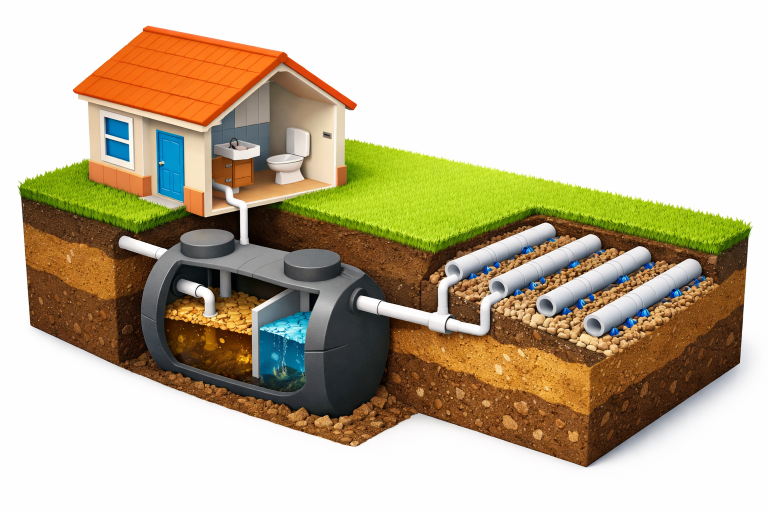
Septic systems are comprised of two primary elements: the septic tank and the drainfield. Wastewater leaving your home enters the septic tank, where it naturally separates into solids (sludge), floats (scum), and liquid (effluent). The tank holds and gradually breaks down solids, while the effluent flows into the drainfield for final treatment. Healthy bacteria play a vital role in breaking down organic material and maintaining balance in your tank, so preserving the environment inside it is essential.
Knowledge of your septic system’s layout and functionality helps you detect early warning signs and adopt the right care practices. If you are unsure about your system’s design, request a diagram from a professional during your next inspection.
Regular Inspections and Pumping
Routine inspections by a licensed professional are recommended every three years. Inside the tank, solids build up over time and must be removed to prevent overflow and clogging in the drainfield. On average, your septic tank should be pumped every three to five years, depending on the number of occupants and usage habits. Regular servicing ensures each component works seamlessly and also uncovers minor issues before they become costly repairs. The U.S. Environmental Protection Agency offers an excellent overview of best practices for septic care.
Proper Waste Disposal
Not everything is suitable for your septic system. Flushing or pouring the wrong substances down your drains can disrupt the natural breakdown of solids, leading to blockages or environmental harm. Key guidelines include:
- Avoid flushing items such as wipes, paper towels, feminine hygiene products, and dental floss, even if labeled “flushable.”
- Do not pour cooking grease or oils into the sink, as they can harden and cause blockages.
- Limit chemical use and avoid harsh cleaners or antibacterial soaps, since these can disturb the beneficial bacteria in your tank.
Efficient Water Use
Reducing water waste not only conserves resources but also extends the life of your septic system. Excessive water influx can overwhelm the tank, preventing proper separation and causing untreated wastewater to reach the drainfield. Some actionable tips include:
- Installing high-efficiency toilets and showerheads to reduce water flow.
- Repairing leaky faucets and pipes promptly to minimize excess water entering your septic system.
- Staggering laundry loads throughout the week to avoid overloading the system at once.
By adjusting your water habits, you help sustain your system’s effectiveness and lower overall utility costs. The EPA’s guide on septic system care provides additional practical suggestions for homeowners.
Drainfield Maintenance
The drainfield completes the sewage treatment process by filtering effluent through soil, but it can only function if well cared for. Protect the drainfield by keeping vehicles, heavy machinery, and storage sheds out of this area to prevent soil compaction. Plant only grass or shallow-rooted plants over and near the drainfield; avoid trees or shrubs with invasive roots that can damage underground pipes. Divert roof drains and surface water away from the area to prevent soil flooding, which can impair filtration.
Signs of Septic System Failure
Early detection of septic system issues is vital to avoid severe problems and high repair costs. Key indicators of trouble include persistent sewage odors near the tank or drainfield, slow-draining sinks, tubs, or toilets, gurgling noises in the plumbing, and unusual patches of lush grass or standing water near the drainfield. Recognizing these symptoms early can lead to prompt actions and professional assessments, mitigating safety risks and preventing environmental contamination.
When to Call a Professional
Scheduled inspections, routine pump-outs, and any signs of trouble should always be handled by a certified septic service provider. Professionals can thoroughly evaluate your system, suggest improvements, and ensure that repairs or maintenance comply with local regulations. Annual or biennial check-ups are a smart strategy, especially in areas that rely on well water or when the septic system is used heavily.
Conclusion
Taking a proactive approach to septic system care safeguards your home and the environment. Regular inspections, careful water usage, responsible waste disposal, and ongoing drainfield maintenance will keep your system running efficiently. By understanding best practices and acting quickly when issues arise, you invest in your property’s health and value for years to come.