

Key Takeaways
- Make pest prevention part of regular home maintenance instead of waiting for visible infestations.
- Inspect the home seasonally for cracks, gaps, damaged screens, moisture, clutter, nests, droppings, and other signs of activity.
- Control common attractants by securing food, managing garbage, fixing leaks, removing standing water, and reducing sheltered hiding areas.
- Keep vegetation, firewood, yard debris, and other materials away from exterior walls when possible.
- Use seasonal checks to address conditions that may attract ants, mosquitoes, rodents, termites, and other pests.
- Conduct a quick monthly inspection of kitchens, bathrooms, storage areas, attics, basements, garages, and exterior entry points.
- Handle rodent droppings and nesting materials carefully and follow appropriate cleanup guidance.
- DIY maintenance may address minor issues, but recurring activity, hidden pests, nests, or signs of structural damage may require professional inspection.
- If pesticides are used, follow the product label instructions and use targeted control methods appropriate for the identified pest.
Pest prevention is most effective when it becomes part of routine home care, not a reaction to an unexpected sighting. For homeowners facing a persistent or hard-to-reach issue, Green Pest Services provides termite and pest control for homes and businesses across Northern Virginia, Washington, DC, and Maryland. The company offers services for issues such as rodents, termites, mosquitoes, ants, and stinging insects, with coverage in Alexandria, Arlington, Bethesda, Chantilly, Fairfax, and Manassas. A seasonal plan helps you identify entry points, remove food and moisture sources, and correct small maintenance issues before pests have time to settle in. Use this checklist as a practical cycle: inspect, clean, seal, monitor, and respond when activity continues.
Why Pest Prevention Should Follow the Seasons
Weather, moisture, food availability, and shelter all influence where pests look for a place to live. Spring rain can expose drainage problems; summer outdoor dining can attract insects; fall brings shelter-seeking rodents closer to buildings; and winter can reveal activity in quiet storage spaces. A home may appear pest-free, yet small gaps, leaks, clutter, or damaged screens can still provide access. Prevention does not require treating every sighting the same way. The integrated pest management approach emphasizes identification, monitoring, prevention, and targeted control decisions rather than unnecessary broad treatment.
What to Check Before Each Season
- Walk the foundation and exterior walls, looking for cracks, gaps, damaged siding, and vegetation touching the structure.
- Check door sweeps, window screens, vents, utility openings, garage doors, and weatherstripping.
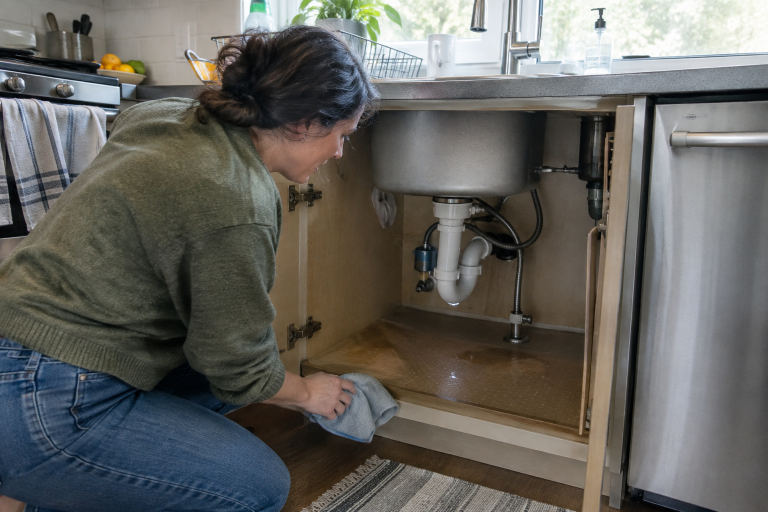
- Look for moisture under sinks, near appliances, in basements, attics, garages, and crawl spaces.
- Inspect pantries and storage areas for droppings, gnaw marks, shed skins, nests, or damaged packages.
- Remove unnecessary cardboard, clutter, and stacked materials that create protected hiding places.
Spring Pest Prevention Checklist
Spring is the time to address moisture and winter wear before insect activity becomes more noticeable. Inspect the foundation for cracks, insect trails, and mud tubes. Clean gutters, make sure downspouts direct water away from the home, and repair torn screens or worn door sweeps.
- Remove wet leaves, branches, and excess mulch from against exterior walls.
- Empty water from planters, buckets, toys, tarps, and other outdoor containers.
- Check basements, garages, attics, and crawl spaces for early activity.
- Repair leaks and address condensation around pipes or appliances.
Why Are Ants Near Windows or Sinks?
Ants may be following food residue or moisture, and they can use small openings around frames, pipes, and utility lines. Clean the area, dry nearby surfaces, and inspect the exterior side of the wall for gaps or vegetation that creates a pathway.
Summer Pest Prevention Checklist
Summer conditions can support mosquitoes, flies, ants, spiders, and stinging insects. Focus on sanitation, water management, and outdoor maintenance.
- Remove standing water after rain and repair leaking faucets, hoses, or irrigation lines.
- Keep trash, recycling, and compost containers closed, and rinse food residue from recyclables.
- Clean grills, patios, decks, and outdoor eating areas after use.
- Store pet food, birdseed, and animal feed in sturdy sealed containers.
- Trim shrubs and branches away from siding, windows, rooflines, and vents.
- Inspect sheds, eaves, decks, and play areas for nests.
Summer Safety Reminder
Do not disturb a large wasp or hornet nest without appropriate training and equipment. A nest near a doorway, patio, or children’s play area deserves prompt attention because regular activity can increase the chance of accidental contact.
Fall Pest Prevention Checklist
Fall is an important time to close off the routes rodents and overwintering insects may use as outdoor temperatures change. Address the entry point, not just the pest found indoors.
- Seal gaps around pipes, wires, vents, basement windows, garage doors, and foundations.
- Inspect soffits, rooflines, chimneys, attic vents, and siding for damage.
- Move firewood, lumber, yard debris, and dense vegetation away from exterior walls.
- Store seasonal decorations in sealed plastic containers when possible.
- Watch for droppings, gnaw marks, grease marks, scratching sounds, odors, and damaged materials.
Winter Pest Prevention Checklist
Cold weather does not end every pest concern. Rodents and some insects can remain active in walls, attics, crawl spaces, garages, and pantry areas where warmth, food, and shelter are available.
- Check dry goods and pet food for torn packaging or contamination, then store them in sealed containers.
- Keep indoor garbage covered and remove it regularly.
- Reduce cardboard and clutter in storage rooms, basements, and garages.
- Listen for scratching in ceilings, walls, attics, and crawl spaces.
- Inspect holiday decorations before bringing them indoors.
Safe Rodent Cleanup
Do not sweep or vacuum dry rodent droppings or nesting material. The CDC’s rodent cleanup guidance recommends wearing gloves, wetting the contaminated material with a disinfectant, allowing it to soak as directed, and carefully wiping it up before disinfecting the area.
A 15-Minute Monthly Home Inspection
- Start indoors: Check kitchens, bathrooms, pantries, storage areas, basements, and attics.
- Look for evidence: Note trails, droppings, nests, damaged food, gnawed materials, or insect activity.
- Check moisture: Look under sinks, around appliances, and along exterior walls.
- Walk outside: Review doors, windows, foundations, rooflines, sheds, and landscaping.
- Fix one issue: Seal a gap, replace weatherstripping, remove debris, or repair a leak.
Food, Water, and Shelter: The Main Attractants
- Food: Clean spills, secure pantry goods and pet food, and manage garbage and recycling.
- Water: Repair leaks, improve drainage, reduce condensation, and eliminate standing water.
- Shelter: Reduce clutter, trim plants, move firewood, and seal exterior openings.
When DIY Prevention Is Enough and When to Call a Professional
Home maintenance may be enough for a minor, clearly identified issue, such as replacing a door sweep, repairing a screen, sealing a small gap, removing standing water, or cleaning a food spill. If a pesticide is used, follow every label instruction exactly. Schedule a professional inspection when pests return after cleaning and exclusion work, activity seems to come from walls or ceilings, rodents are near wiring or HVAC equipment, or there are signs of termite or other wood-destroying insect damage. Professional help is also appropriate for nests in high-traffic areas, persistent odors or droppings, and any pest that cannot be confidently identified.
Final Prevention Checklist
- Seal gaps around doors, windows, pipes, vents, and foundations.
- Keep food, pet supplies, trash, and recycling secured.
- Repair leaks and remove standing water.
- Keep firewood, plants, and yard debris away from the home.
- Inspect monthly for evidence of pests, moisture, and damage.
Seasonal pest prevention works best as a steady maintenance habit. Small repairs, clean storage, moisture control, and regular inspections can reduce the conditions pests need. When activity keeps returning or appears in hidden parts of the home, an inspection can help identify the source and the right next step.