

Table Of Contents
- Why Weather Changes Pest Activity
- Spring: Early Activity Around The Home
- Summer: Heat, Moisture, And Outdoor Pests
- Fall: Pests Search For Shelter
- Winter: Indoor Pest Concerns
- How Texas Weather Changes Pest Patterns
- A Seasonal Home Pest Checklist
- Safe Responses To Common Pest Problems
- When To Seek Professional Help
In Texas, pest activity rarely follows a neat calendar. Heat, humidity, rainfall, drought, and sudden temperature changes can all affect what homeowners see around their kitchens, yards, garages, and attics. From the Dallas-Fort Worth area to Houston, Austin, and San Antonio, romneypestcontrol.com can be a useful local option when routine prevention is not enough to address a recurring pest concern.
Seasonal awareness helps homeowners respond earlier. A wet week may leave mosquito breeding sites in containers and clogged gutters, while a dry stretch can send ants and other pests searching for moisture indoors. The practical goal is not to predict every insect sighting, but to reduce the food, water, shelter, and access points that make a home appealing year-round.
Why Weather Changes Pest Activity
Many common pests are more active when temperatures are favorable for feeding, movement, and reproduction. Rain can add moisture to soil, fill outdoor containers, and create damp hiding places. Drought can have the opposite effect, concentrating pest activity around irrigation, plumbing leaks, shaded landscaping, pet water bowls, and indoor moisture sources.
Weather is only part of the picture. Accessible food, clutter, gaps around utilities, dense vegetation against siding, and poor drainage can turn a seasonal pest encounter into an indoor issue. In its 2026 pest activity forecast, the National Pest Management Association noted that warm, wet conditions in the South Central region may allow cockroaches, ants, and mosquitoes to remain active later into fall.
Spring: Early Activity Around The Home
Texas spring weather can shift quickly between warm afternoons, heavy rain, and cooler nights. These changes often coincide with increased ant activity, mosquito development in standing water, and the appearance of flying reproductive ants or termites. Wasps and hornets may also begin building nests in eaves, sheds, wall voids, and other sheltered areas.
Spring Prevention Steps
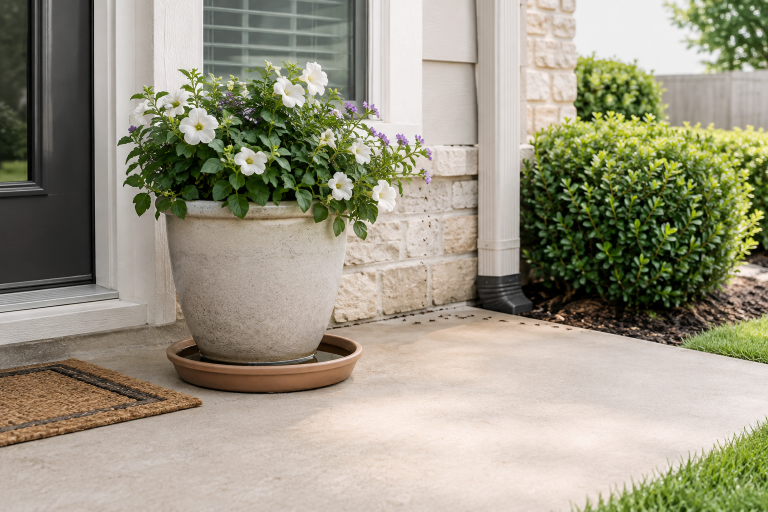
- Empty water from buckets, toys, tarps, flowerpot saucers, and other containers after rain.
- Repair dripping faucets, leaking hoses, and irrigation problems near the foundation.
- Check window screens, door sweeps, and weatherstripping for openings.
- Trim shrubs and tree branches away from siding, windows, and rooflines.
- Walk around the foundation after storms to look for pooling water, wet mulch, and visible cracks.
Summer: Heat, Moisture And Outdoor Pests
Long Texas summers create persistent pressure from outdoor pests. Mosquitoes can use small amounts of standing water, while flies are drawn to waste, animal areas, compost, and exposed food. Ants may appear near kitchens, trash bins, pet bowls, and outdoor eating spaces as they forage for food and water. Ticks can also be a concern in tall grass, brush, leaf litter, and wooded edges.
Simple Summer Habits
- Keep food and sweet drinks covered during cookouts and patio meals.
- Clean crumbs, grease, and drink spills promptly, indoors and outside.
- Use tight-fitting lids on trash and recycling containers.
- Mow grass, remove yard debris, and avoid allowing dense plants to touch the home.
- Check people and pets for ticks after spending time in brushy or grassy areas.
Fall: Pests Search For Shelter
Even when Texas fall days stay warm, cooler nights can change pest behavior. Rodents may investigate garages, attics, crawl spaces, and wall voids for food and nesting material. Spiders can follow prey into storage areas, while cockroaches and ants may remain active where food and moisture are available. Stinging insects can also stay active around outdoor dining spaces during warm late-season weather.
Fall Home Check
- Seal gaps around pipes, cables, vents, windows, and exterior doors.
- Replace worn weatherstripping and damaged door sweeps.
- Store firewood away from the house and off the ground when practical.
- Clear leaves and debris from drainage areas and along the foundation.
- Move stored boxes away from garage and basement walls so signs of activity are easier to spot.
Winter: Indoor Pest Concerns
Winter does not eliminate household pest concerns in Texas. Homes provide consistent temperatures, water, food, and hiding places. Rodents may remain active in attic insulation, garages, and wall spaces, while cockroaches and pantry pests can continue developing indoors. Some insects that entered during fall may remain hidden for weeks before they are noticed.
Watch for droppings near cabinets or walls, gnaw marks on packaging or wiring, scratching sounds overhead, damaged dry-food containers, unusual odors, or repeated sightings in one room. These signs do not identify every pest on their own, but they indicate that closer inspection is worthwhile.
How Texas Weather Changes Pest Patterns
Texas is large enough that pest conditions can vary widely by region. Gulf Coast humidity and heavy rain can support longer mosquito seasons. North Texas weather swings may bring sudden waves of ant, rodent, or stinging-insect activity. Central Texas drought can make water sources around homes more attractive, while South Texas warmth can shorten the quiet periods experienced in colder climates.
Changing weather can boost some pests while displacing others from their usual hiding places. For example, seasonal rainfall can increase outdoor breeding activity while forcing other pests indoors, a pattern that also illustrates why homeowners should inspect both yards and interior spaces after major weather changes.
A Seasonal Home Pest Checklist
- Food: Keep dry goods, pet food, birdseed, and snacks in sealed containers.
- Water: Fix leaks and remove standing water inside and outside.
- Shelter: Reduce clutter in garages, sheds, attics, closets, and storage areas.
- Entry points: Check doors, windows, vents, pipes, and utility penetrations.
- Yard care: Trim vegetation and remove leaf piles, fallen fruit, and debris near the structure.
- Monitoring: Note where pests appear, how often they appear, and recent weather conditions.
Safe Responses To Common Pest Problems
- Identify the pest before selecting a control method.
- Remove the food, water, or shelter that may be supporting it.
- Clean affected areas and protect exposed food.
- Seal small exterior openings when it is safe and practical.
- Follow every product label and keep treatments away from children, pets, food, and food-preparation surfaces.
- Avoid disturbing stinging-insect nests or handling rodents without appropriate protection.
When To Seek Professional Help
A single insect sighting does not always mean there is an infestation. Repeated activity deserves more attention, especially when pests appear in multiple rooms, continue after cleaning and exclusion work, or leave droppings, nests, gnaw marks, or signs of damage. Professional assessment is also sensible when stinging insects are nesting near entrances or play areas, when mosquito activity is consistently heavy, or when the pest cannot be identified confidently.
Texas weather may change quickly, but a consistent seasonal routine can make pest activity easier to manage. By checking moisture, food storage, landscaping, clutter, and entry points several times a year, homeowners can catch small issues before they become harder to control.