

Key Takeaways
- Structured environments provide predictability, reducing anxiety and fostering a sense of security.
- They promote discipline, responsibility, and improved academic performance.
- Such settings enhance social skills and emotional regulation and prepare youth for independent living.
Introduction
Adolescence marks a critical stage in a person’s growth, where personal habits and attitudes are formed that can last a lifetime. Creating a structured learning environment is essential for nurturing and guiding youth during these formative years. In such environments, young people benefit from clear expectations and daily routines that provide a foundation for healthy development, both socially and academically. For families seeking robust support systems for their child, institutions like the top boarding schools in the US often lead the way in implementing and maintaining such a structure, ensuring students are supported every step of the way.
By establishing a sense of predictability and constructive discipline, structured environments do more than elevate academic results. They lay the groundwork for strong social connections, emotional resilience, and readiness for adult challenges. These settings are not solely best for students struggling with discipline, but also suit youth who thrive on routine, guidance, and accountability.
Predictability and Security
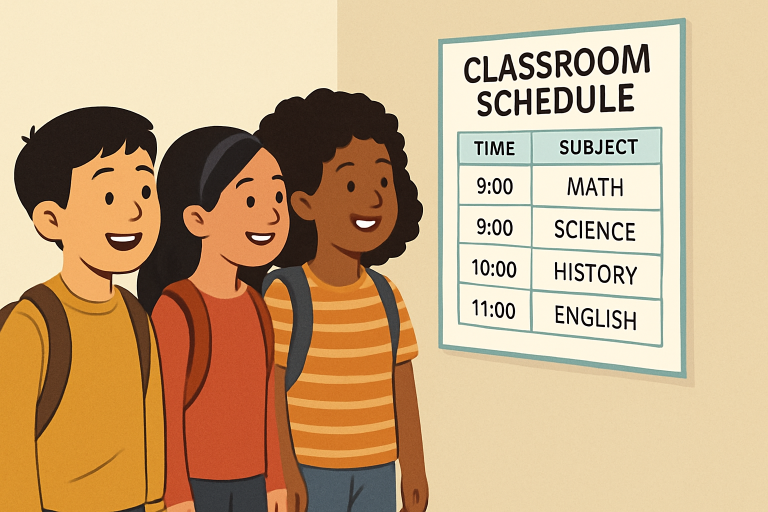
Predictable routines build an atmosphere where youth feel safe and confident because they understand what is expected daily. This sense of stability goes a long way to reducing stress and anxiety, particularly for those who experience uncertainty in other parts of life. When adolescents can anticipate their daily schedule and boundaries, they are more likely to focus on personal growth and learning opportunities. Structure and security empower youth to explore new interests without fear, knowing support systems are present when they face setbacks. According to Psychology Today, security and predictability in childhood foster a sense of belonging and self-worth, which are vital for healthy development.
Structured daily routines are especially impactful for students managing transitions, such as moving to a new school or navigating challenges at home. A consistent structure can act as an anchor, helping adolescents regulate their emotions and behavior, which is essential for accommodating change and taking on new responsibilities.
Developing Discipline and Responsibility
Discipline is not just about following rules; it encompasses self-control, responsibility, and an understanding of consequences. By introducing routines for homework, chores, and even downtime, youth are held accountable for their time use and commitments. Over time, these repetitive habits translate into stronger time management skills, which are invaluable throughout life. For example, a teen who understands the value of daily study periods is more likely to transition smoothly into independent study at college or when pursuing a career.
Structured environments also promote a balanced approach to responsibilities and recreational activities, ensuring that youth develop a work ethic while also prioritizing wellness and leisure. This integrated sense of discipline and responsibility enables them to handle setbacks with resilience and fosters an intrinsic motivation to meet goals.
Improved Academic Performance
Clear expectations and regular study times significantly boost academic outcomes. In a structured environment, youth are less distracted and are better prepared to approach schoolwork with focus and determination. Teachers and mentors in these settings often provide personalized feedback and support, empowering students to identify their strengths and work on their weaknesses. According to Edutopia, structured routines around learning help students build organizational strategies, complete assignments on time, and gain confidence in their academic abilities.
In addition to helping students stay on top of their studies, these routines help young people internalize effective habits, such as setting achievable targets and maintaining a consistent schedule. The academic growth seen in these settings often extends beyond grades, equipping students with problem-solving skills and perseverance that benefit all areas of their education.
Social Skill Development
Youth develop essential social skills most effectively through repeated interaction within a supportive structure. Group work, team sports, and assigned responsibilities foster communication, empathy, and teamwork. Structured learning settings include intentional collaboration, helping adolescents discover how to resolve conflict constructively, share responsibilities, and build meaningful relationships.
By working together towards common goals, youth become more adept at understanding different perspectives and respecting others’ opinions. Positive social habits developed in adolescence are likely to carry over into adulthood, preparing students for professional collaboration and personal relationships.
Emotional Regulation
Adolescents often experience heightened emotions and rapid mood changes. Structured environments provide the boundaries within which they can safely explore and manage their feelings. Setting clear limits and expectations teaches youth how to respond appropriately to frustration, disappointment, and success. Over time, this promotes resilience, enabling young people to navigate setbacks with maturity rather than resorting to impulsive actions.
Emotional regulation is a critical life skill that not only influences academic achievement but also guides decision-making and relationship building. By guiding adolescents through healthy coping mechanisms and reflection, structured settings enable them to recognize and articulate their emotions more effectively.
Preparation for Independent Living
A structured environment not only serves immediate developmental needs but also supports long-term development. The routines, responsibilities, and coping strategies acquired in adolescence become vital assets in adulthood. Youth exposed to structured learning settings are generally better prepared for college, the workforce, and independent living because they have internalized productive habits and emotional intelligence.
Skills such as budgeting time, prioritizing tasks, and seeking guidance when needed translate seamlessly into daily life as an adult. As a result, young adults who have experienced structured environments are often seen as more confident and competent in handling the demands of independent living.
Conclusion
The capacity of a structured learning environment to nurture holistic growth in youth is clear. By creating predictability and promoting consistent routines, these environments equip adolescents with the resilience, discipline, social skills, and emotional intelligence necessary for lifelong success. As families and educators seek effective support for the next generation, prioritizing structured settings can ensure teens are fully prepared to face the challenges and opportunities ahead.