

Key Takeaways
- Focus closely on moisture, drainage, crawl-space conditions, and exterior maintenance.
- Ask for repair records, permits, warranties, insurance claims history, and past storm-damage information.
- Distinguish urgent safety or water-intrusion issues from routine maintenance tasks.
- Obtain estimates for major repairs before deadlines in the purchase contract expire.
Buying near the coast in Hampstead, North Carolina, means looking beyond fresh paint, staging, and a pleasant showing. Humidity, wind-driven rain, drainage conditions, and exposure to severe weather can affect parts of a house that are easy to miss during a brief visit. Scheduling a professional home inspection early in the due diligence period gives buyers time to understand the property’s visible condition before closing.
An inspection is not a guarantee that a home will never develop a problem. It is a structured review of accessible components and visible conditions at a particular point in time. Buyers may also need specialized evaluations for concerns involving wood-destroying insects, foundations, roofing, HVAC equipment, mold, septic systems, wells, or electrical work.
Prepare Before the Inspection
Start by reading the seller’s disclosure statement and noting any references to leaks, flooding, repairs, renovations, pest treatment, or insurance claims. Request available records for roof replacement, foundation work, plumbing repairs, HVAC service, termite treatment, and major additions. Confirm that the attic, crawl space, garage, electrical panel, utility areas, and exterior structures will be accessible on inspection day.
Bring a written list of concerns from earlier visits. A stain near a ceiling corner, an uneven floor, a musty odor, or a low spot in the yard may be minor, but each observation gives the inspector a useful area to examine more closely.
Inspect the Exterior and Drainage
Outside conditions often provide the first clues about water management and maintenance. Look at the roof covering, flashing, vents, gutters, downspouts, siding, trim, doors, windows, decks, stairs, railings, and visible foundation areas. In a humid coastal climate, properly installed insulation and air sealing can also affect comfort, condensation, and the performance of heating and cooling equipment.
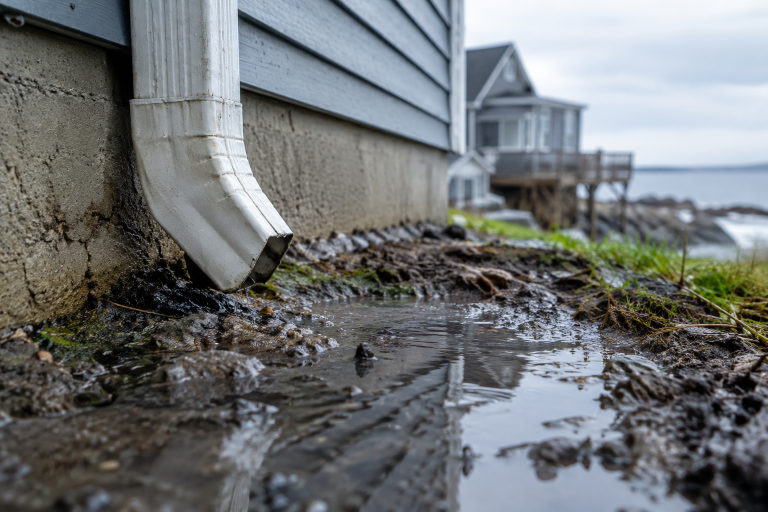
Pay attention to where water goes after it leaves the roof. Downspouts that discharge beside the foundation, soil that slopes toward the house, clogged drainage routes, standing water, erosion, and persistently soft ground deserve further review. Cracks in masonry, concrete, or stucco are not automatically structural failures, but their location, size, pattern, and whether they appear to be changing can matter.
Give the Crawl Space Extra Attention
Crawl spaces can reveal conditions that are not apparent indoors. When safely accessible to a qualified professional, the area should be checked for damp soil, standing water, damaged vapor barriers, wet insulation, musty odors, visible fungal growth, wood rot, sagging supports, and deteriorated floor framing. Rodent droppings, nesting material, chewed wiring, and damaged ducts may also indicate conditions that require repair or further evaluation.
Buyers should not enter tight, contaminated, or questionable crawl spaces on their own. Limited clearance, exposed wiring, pests, poor air quality, and unstable materials can create safety risks. Clear photographs and an explanation from the inspector are usually more useful than an unsafe personal inspection.
Check for Wood Damage and Pests
Termites and other wood-destroying insects can damage structural and finish materials without leaving visible damage. Inspectors may note mud tubes, shed wings, exit holes, frass, soft or hollow-sounding wood, damaged sill plates, weakened trim, or suspicious conditions near door frames, window frames, and crawl-space supports. A general home inspection can identify visible clues, but a focused wood-destroying insect inspection may be appropriate when signs are present or key areas cannot be fully viewed.
Review Major Systems and Materials
A careful inspection should also address the home’s major systems. Buyers should understand the apparent condition and age of the heating and cooling equipment, water heater, visible plumbing, electrical panel, outlets, breakers, attic insulation, ventilation, smoke alarms, carbon monoxide alarms, and included appliances. Ask about the roof’s age, past storm repairs, missing shingles, lifted flashing, corrosion on metal components, fogged window panes, failed seals, and deteriorated caulk or exterior paint.
Appearance alone is not a dependable guide to remaining service life. A recently cleaned roof may still have aging materials, and a freshly painted wall can conceal the history of a prior repair. When the report calls for further evaluation, obtain an opinion from the appropriate licensed specialist before treating the issue as minor.
Consider Storm and Insurance Questions
Inspection findings can influence repair planning, insurance availability, deductibles, and the overall cost of ownership. Before the due diligence period ends, ask an insurance professional for property-specific information about homeowners, wind, hail, and flood coverage. Standard homeowners policies generally do not cover flood damage, and the flood insurance options available for a property should be reviewed well before a storm approaches.
Some construction features may also affect insurance choices. North Carolina notes that qualifying homes in coastal areas may be eligible for wind and hail mitigation credits, so buyers can review the state’s mitigation credit requirements and ask whether documentation for the property exists.
Use the Report to Make Decisions
Read the entire report, including photographs, limitations, and recommendations. Separate findings into practical categories:
- Safety concerns: Conditions involving electrical hazards, unsafe stairs, gas issues, or other immediate risks.
- Active water intrusion: Current leaks, standing water, drainage failures, or moisture-damaged materials.
- Further evaluation: Items that require a specialist to determine cause, scope, or repair method.
- Maintenance: Routine work such as sealing, cleaning, adjusting, or replacing worn components.
- Monitoring: Conditions that should be observed for future movement or deterioration.
Address safety hazards, active leaks, structural concerns, and suspected insect activity first. Then request written estimates for larger repairs and compare them with the home’s price, your available budget, and the contract deadlines. A final walk-through should confirm that agreed work is complete and that no new damage has appeared.
Common Buyer Questions
Is a home inspection required?
Requirements can vary by loan program, lender, insurer, contract, and property type. Even when it is not required, an inspection can provide useful information for a buyer’s decision-making process.
Should buyers attend the inspection?
Attending can be helpful when possible. Buyers can see important conditions firsthand, ask questions, and learn the location of shutoff valves, electrical panels, filters, and other components they will need to maintain after closing.
Can a buyer cancel after an inspection?
That depends on the purchase agreement, due diligence provisions, deadlines, and applicable law. Buyers should review those terms with their real estate agent and closing attorney before making a decision.
Final Pre-Closing Checklist
- Complete the general inspection and any needed specialty inspections.
- Review the moisture, drainage, roof, crawl space, and exterior findings carefully.
- Obtain repair estimates for major defects or incomplete work.
- Confirm appropriate insurance options and deductibles.
- Collect repair receipts, permits, warranties, and maintenance records.
- Track all contract deadlines and complete a final walk-through.