

Table of Contents
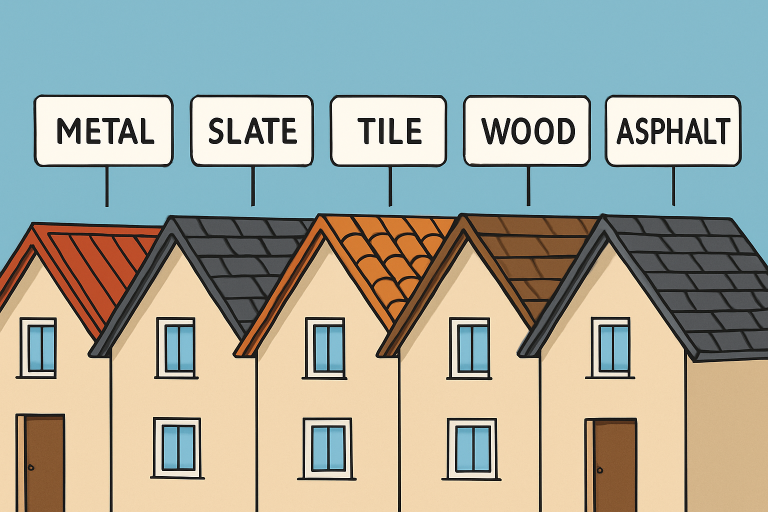
- Metal Roofing
- Slate Roofing
- Clay and Concrete Tiles
- Composite Shingles
- Wood Shakes and Shingles
- Asphalt Shingles
- Factors to Consider When Choosing Roofing Materials
- Conclusion
Choosing a roofing material is one of the most significant decisions for any homeowner, directly impacting not only the appearance of your home but its long-term durability and maintenance needs. Whether you’re building a new house or replacing an existing roof, understanding your options can save you thousands of dollars over the lifetime of your roof. If you’re researching, especially in regions prone to severe weather, the right materials can help protect your investment—something homeowners often discover when seeking roof repair South Florida specialists who understand the demands of harsh coastal climates.
Today’s roofing materials come in a variety of types—each with unique benefits, drawbacks, and lifespans. The durability, cost, and appearance of these materials can vary significantly, making it crucial to weigh your options carefully for your specific needs. As roofing innovations continue to evolve, more homeowners are seeking a balance between longevity, sustainability, and curb appeal.
Let’s explore the most durable roofing options available, insights on what to consider before choosing a material, and how different solutions fit different climates and architectural preferences. Informed decisions can lead not only to a beautiful home but also to one that withstands decades of weather and time.
From energy-efficient metals to rustic wood shakes, the perfect roofing material combines aesthetics with practical performance. Comparing the most common, time-tested materials empowers you to make a choice that will endure both storms and summers for years to come. According to leading publications like Bob Vila, selecting high-quality materials pays off in the long term, both in value and peace of mind.
Metal Roofing
Metal roofing is a popular choice for both residential and commercial buildings. Available in various metals like steel, aluminum, and copper, metal roofs boast impressive longevity—frequently lasting 40 to 70 years, and even longer with copper. These roofs are not only durable but also highly energy-efficient, reflecting solar heat to help keep your home cooler and lower air conditioning costs. Although more expensive upfront, metal roofs demand less frequent replacement, making them an economical option in the long run.
Drawbacks include potential noise during heavy rain and the risk of hail or falling debris denting. Nevertheless, their ability to resist fire and harsh weather makes them a top choice in many climates.
Slate Roofing
Known for its distinctive beauty and remarkable lifespan, slate roofing can last well over a century if properly installed and maintained. As a natural stone, it provides exceptional fire resistance and adds a classic, timeless appeal to any home. However, slate is among the heaviest roofing materials, often requiring reinforced structural support, and it comes with one of the highest price tags on the market.
For homeowners seeking both longevity and elegance, slate is an unmatched option that, according to Forbes Home, often outlives the very structure it protects.
Clay and Concrete Tiles
Clay and concrete roof tiles are favored in warm, dry regions and areas at high wildfire risk, thanks to their exceptional fire resistance and durability. These tiles have lifespans of 50 to 100 years. The thermal properties of clay and concrete tiles help regulate indoor temperature, offering energy efficiency, especially in hot climates.
Despite their strength, these tiles are heavy and may require additional structural modifications during installation. The upfront investment is also considerable, though their longevity can offset this over time.
Composite Shingles
Composite shingles are manufactured from a mix of fiberglass, recycled paper, and asphalt, designed to replicate the look of natural wood or slate without the high maintenance or weight. Typically lasting between 30 and 50 years, composite shingles are both affordable and versatile, fitting a variety of architectural styles.
These shingles are also an eco-friendly option since many types are made from recycled materials, appealing to environmentally conscious homeowners eager for durability and responsible sourcin
Wood Shakes and Shingles
Wood shakes and shingles appeal to homeowners seeking a traditional, rustic appearance for their property. Predominantly made of cedar or redwood, these roofs can last 20 to 40 years with proper care. The natural oils found in certain woods help resist rot and insects, but this material demands regular maintenance, such as cleaning and treatment against mold and pests.
Fire risk is another consideration, as untreated wood is vulnerable, even though some products are treated with fire retardants.
Asphalt Shingles
Asphalt shingles remain America’s most popular roofing choice, known for their affordability and ease of installation. Lasting 15 to 30 years, these shingles come in a vast array of colors and designs, making them suitable for almost any architectural style.
While cost-effective, asphalt shingles are less durable than many alternatives and may require more frequent replacements. They perform best in moderate climate conditions and generally require minimal maintenance.
Factors to Consider When Choosing Roofing Materials
- Climate: Consider the prevailing weather patterns in your area. For example, metal and slate are excellent in snow-prone regions, while clay tiles are better suited for hot, dry climates.
- Budget: Weigh initial installation costs against the expected lifespan and maintenance involved in each option.
- Weight: Make sure your home’s structure can support heavier options, such as slate or concrete tiles, before installation.
- Aesthetic Appeal: Choose a style that enhances your home’s visual appeal and fits the neighborhood.
- Maintenance: Some materials, like wood, require more care, while metal and asphalt are generally lower maintenance.
Conclusion
Every home is unique, and so are the roofing materials best suited to it. By evaluating the characteristics of metal, slate, tile, composite, wood, and asphalt—and factoring in your region’s climate, your personal budget, and your commitment to maintenance—you can select a roofing solution that stands the test of time and conditions. Investing in quality materials and installation not only protects your property but also increases its value and longevity, ensuring comfort and safety for decades.