

Pest control is a crucial service in maintaining the health and safety of our living and working environments. However, as we strive for efficiency in eradicating pests, it is imperative to consider the environmental impact of the methods we employ. The challenge lies in finding a balance between effective pest management and preserving ecological integrity.
Understanding the Need for Pest Control
Pests such as rodents, insects, and weeds can cause significant damage to property, agriculture, and human health. For instance, rodents are notorious for spreading diseases, while insects like termites can cause substantial structural damage. Consequently, pest control is not just about convenience but about safeguarding public health and economic interests.
Traditional Pest Control Methods
Historically, pest control has relied heavily on chemical pesticides. These substances are designed to kill or repel pests quickly and effectively. However, their widespread use has raised concerns about their long-term impact on the environment. Chemical residues can contaminate soil and water, leading to unintended harm to non-target species and contributing to biodiversity loss.
Environmental Impact of Conventional Pest Control
The environmental impact of traditional pest control methods cannot be understated. Chemical pesticides, while effective, can lead to pest resistance, requiring even more potent formulations. Furthermore, they can affect pollinators like bees, which are crucial for ecosystem health and agriculture. The runoff from agricultural fields can also lead to water pollution, affecting aquatic life.
Eco-Friendly Alternatives
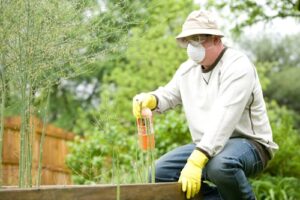
In response to these challenges, the pest control industry is increasingly turning towards eco-friendly alternatives. Integrated Pest Management (IPM) is one such approach that combines biological, cultural, physical, and chemical tools in a way that minimizes economic, health, and environmental risks. Techniques such as using natural predators, introducing beneficial insects, and employing mechanical traps are gaining popularity.
Moreover, advancements in technology have led to the development of more targeted and less toxic chemical options, reducing the collateral damage associated with traditional pesticides. Biopesticides, derived from natural materials, offer a promising solution with reduced environmental impact.
0666
The Role of Policy and Public Awareness
Governmental regulations play a vital role in shaping pest control practices. Policies that promote sustainable practices and regulate the use of harmful chemicals are essential. Additionally, public awareness and education about the benefits of eco-friendly pest control methods can drive demand for sustainable solutions.
Case Study: Pest Control in Huntsville, Alabama
In places like Pest control Huntsville Alabama, there is a growing trend towards adopting environmentally responsible pest management practices. Companies are increasingly offering services that prioritize safety and sustainability, ensuring that pest control measures do not compromise the local ecosystem.
Conclusion
Balancing efficiency and environmental impact in pest control is not just a possibility but a necessity. By embracing sustainable practices and innovative solutions, we can protect our homes and businesses from pests while safeguarding the environment for future generations. The path forward involves collaboration between industry leaders, policymakers, and consumers to foster a pest management culture that respects both human and ecological health.