

Table of Contents
- Understanding Personal Injury Settlements
- Immediate Steps After an Accident
- Gathering and Preserving Evidence
- Dealing with Insurance Companies
- Calculating the Value of Your Claim
- Importance of Legal Representation
- Avoiding Common Mistakes
- Conclusion
Understanding Personal Injury Settlements
When you experience an accident, whether it is a car crash, slip and fall, or another incident, your focus turns to recovery and addressing your losses. Maximizing your personal injury settlement requires attention to both your immediate needs and the long-term impact of your injuries. Collaborating with an experienced personal injury attorney at quinnlawyers.com can help you understand the complexities of the settlement process and ensure you are not taken advantage of by insurers.
Personal injury settlements are compensation packages offered by the at-fault party’s insurance or legal representation to avoid court. These settlements should account for medical bills, lost wages, pain and suffering, and other damages. Getting the most from your settlement relies on preparedness, persistence, and vigilance.
It is important to understand that settlements are typically a result of negotiations, rather than an automatic outcome. Negotiations are influenced by the nature and clarity of liability and damages, meaning the more thorough and organized your documentation, the stronger your bargaining position. Additionally, you may face situations where liability is contested or where multiple parties share responsibility. In such cases, it becomes crucial to work with a legal team that understands comparative negligence rules and how to best allocate and argue your share of damages. Your attorney can also advise you regarding structured settlements versus lump sum payments, helping you decide which option will best support your financial needs over time.
Immediate Steps After an Accident
Your actions immediately after an accident lay the foundation for your claim. Report the incident to authorities and seek medical attention promptly, even if your injuries seem minor at first. Medical records serve as essential evidence in proving the extent of your injuries and their impact. Document everything: take photographs of the scene, your injuries, and any damage to vehicles or property, and collect witness information.
Avoid admitting fault at the scene. What you say in the aftermath of the accident can be used by insurance adjusters to diminish your claim. Instead, calmly exchange information with the involved parties and provide accurate statements to law enforcement officers.
If your injuries prevent you from gathering evidence at the scene, ask a trusted friend or relative to assist, or request help from law enforcement officers. The first hours and days after an accident are a critical window for collecting information, so returning to the scene as soon as it is safe and possible can make a difference. Retaining copies of all communications, including texts and emails from witnesses, insurance companies, and healthcare providers, can further support your claim and protect your rights throughout the settlement process.
Gathering and Preserving Evidence
The strength of your claim depends on the quality of the evidence you provide. This includes the police report, medical records, receipts for out-of-pocket expenses, and detailed notes on how the injury has affected your daily life. If possible, maintain a journal documenting your symptoms, pain levels, missed work, and emotional distress, which can support a claim for non-economic damages.
Preserving evidence goes beyond saving documents. If there is any surveillance footage available from nearby businesses, try to obtain a copy as soon as possible, as these may be erased or recorded over within days. In more complex cases, such as defective product injuries or construction accidents, your lawyer may suggest bringing in specialized investigators or accident reconstruction experts to meticulously document the causes and consequences of the incident. Never discard damaged personal property (like torn clothing or broken items), these can serve as impactful physical proof of the severity of your accident and injuries.
Dealing with Insurance Companies
Insurance adjusters may contact you soon after the accident, sometimes even before you fully understand the extent of your injuries. Avoid providing recorded statements or signing any documents before consulting with a personal injury attorney. Insurers often attempt to settle quickly and for as little as possible. An attorney acts as your advocate, negotiating for an amount that accurately reflects your medical needs, future care, and financial losses. For additional strategies on navigating negotiations with insurers, consider guidance offered by major publications such as Nolo.
Be cautious when discussing the incident with insurance representatives, as even casual statements can be interpreted in ways that may undermine your claim. Take notes on every communication, and do not hesitate to ask for clarification if you are unsure about a process or request. Insurance companies have extensive resources and employ professionals whose goal is to limit payouts; having skilled legal representation at your side levels the playing field, helping you navigate aggressive settlement tactics and understand the full implications of any document you might be asked to sign.
Calculating the Value of Your Claim
Compensation in personal injury cases includes more than just bills for immediate medical care. Future treatment, physical therapy, emotional distress, diminished earning capacity, and loss of enjoyment of life all factor into a comprehensive settlement. Work closely with your lawyer to ensure every current and anticipated expense or impact is included in your claim. Sometimes, expert opinions from medical specialists or financial consultants are necessary to justify the damages sought in your settlement.
Keep in mind that every injury affects people differently, and settlements often consider both tangible and intangible losses. In addition to economic damages like medical bills and lost wages, non-economic damages such as pain, suffering, and mental anguish can be substantial, though they may require additional documentation and testimony to thoroughly establish. Your attorney can also advise you regarding punitive damages, which may be available in cases of gross negligence or willful misconduct. By addressing every area of loss and using expert support when needed, you give yourself the best chance of securing a settlement that truly makes you whole.
Importance of Legal Representation
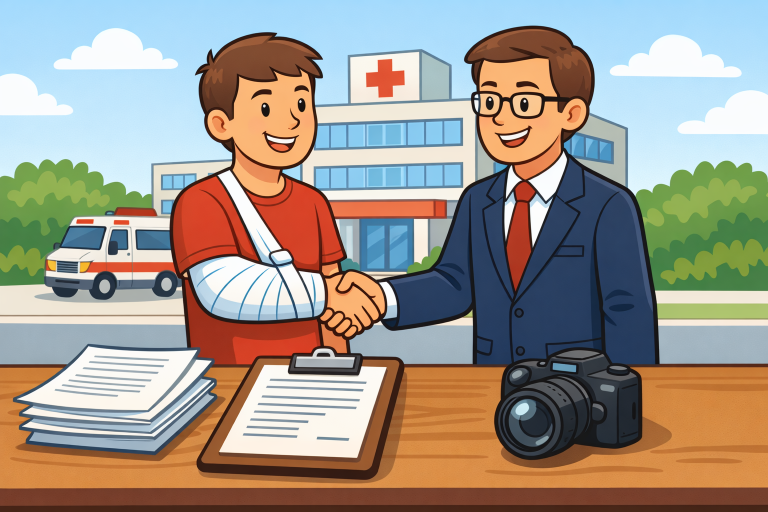
Legal expertise makes a meaningful difference in maximizing any settlement. Attorneys experienced in personal injury law, such as those at quinnlawyers.com, know how to gather evidence, present compelling claims, and push back against insurance tactics that undermine damages. Effective legal counsel increases the likelihood of a fair and favorable outcome, particularly if negotiations stall and litigation becomes necessary. According to the ABA Journal, claimants represented by lawyers typically receive higher settlements compared to those who negotiate on their own.
Your attorney can also provide critical support by connecting you with medical professionals, experts, and specialists who are experienced in treating accident-related injuries and preparing necessary documentation for legal claims. In addition to negotiating settlements, a good lawyer keeps you informed about your options, potential timelines, and the risks associated with proceeding to trial versus finalizing a settlement out of court. Their knowledge of the legal system, negotiation dynamics, and trial preparation is indispensable when dealing with large insurance companies or adversarial parties.
Avoiding Common Mistakes
Certain missteps can reduce your potential payout. Delay in seeking medical care or failing to follow treatment recommendations may suggest your injuries are less severe than claimed. Discussing your case details or posting about your accident on social media can also work against you. Insurance companies often review claimants’ online activity to find inconsistencies in their narratives or evidence that contradicts their claims.
Another frequent mistake is accepting an early settlement offer. Initial offers are usually lower than what you are entitled to and do not reflect the full extent of your damages. Discuss all offers with your attorney and never accept a settlement without thoroughly considering your long-term needs.
Always remember, patience is vital. Settlement negotiations may sometimes take months or even years, especially in cases involving complex injuries or disputed liability. It’s crucial not to rush and to trust that your legal team is working diligently towards getting you the most favorable outcome. Avoiding these common pitfalls can preserve the strength of your case and help ensure you do not inadvertently jeopardize your right to fair compensation.
Conclusion
Maximizing your personal injury settlement begins with prompt medical attention, thorough documentation, and strategic negotiation powered by legal guidance. By staying proactive and informed, you put yourself in the best position to recover the compensation you deserve for your injuries, lost wages, and recovery costs. Work closely with a knowledgeable attorney who can advocate for your interests and ensure insurers uphold their responsibility to make you whole after an accident.
Ultimately, navigating a personal injury claim is a journey that involves patience and perseverance. By focusing on your recovery, maintaining careful records, and choosing the right legal advisors, you can maximize your settlement and ensure that you are adequately compensated for all losses. Remember, your recovery, both physical and financial, is worth fighting for, and you do not have to face the process alone. Take advantage of free consultations offered by many firms, weigh your options, and always be prepared to ask questions. Understanding your rights and actively participating in your case will give you the best possible chance for a successful outcome and a brighter future after your accident.