

Key Takeaways
- Integrate sustainable materials and practices for better aesthetics and a smaller environmental footprint.
- Favor native plants and smart water management to lower resource use and simplify maintenance.
- Choose design details like multifunctional furnishings and energy-saving lighting to unify interior and outdoor living.
Table of Contents
- Choosing Sustainable Materials
- Incorporating Native Plants
- Efficient Water Management
- Energy-Efficient Lighting Solutions
- Selecting Multifunctional Furniture
- Achieving Indoor-Outdoor Cohesion
- Integrating Smart Technology
- Maintenance Tips for Sustainable Spaces
- Conclusion
Modern outdoor living is about more than just aesthetics. It’s about designing spaces that balance comfort, environmental responsibility, and lasting value for homeowners. As sustainability gains traction, integrating earth-friendly practices into outdoor design is transforming backyards, patios, and gardens into inviting eco-friendly retreats. Whether you want to entertain, relax, or enjoy a custom swimming pool, merging function and sustainability can enhance your lifestyle and promote a healthier environment. Blending modern trends with thoughtful environmental strategies, today’s outdoor spaces can do more than look great. By choosing the right materials, efficient systems, and native plant life, it’s possible to enjoy an area that supports well-being while reducing waste and conserving natural resources. As more homeowners embrace smart solutions and eco-conscious décor, sustainability becomes an integral part of everyday living.
Creating spaces that invite gathering, relaxation, and play has never been more accessible. Simple yet intentional choices, like water-saving irrigation or solar-powered lighting, can make a significant difference in both the look and environmental impact of your property. Thoughtful planning pays off with areas that require less maintenance, reduce utility bills, and offer a welcome extension of your indoor living areas. This sustainable approach also helps support local wildlife and builds a connection to the outdoors that is both meaningful and enduring. By redefining the way we use materials, water, and energy, outdoor spaces can evolve into places where beauty meets purpose. Sustainability adds long-term value, prevents unnecessary environmental strain, and makes outdoor living more enjoyable for generations to come.
Choosing Sustainable Materials
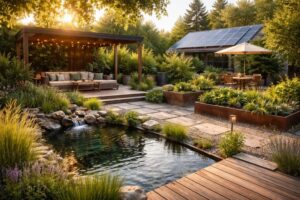
Starting with sustainability from the ground up, choosing eco-friendly materials helps lessen your project’s carbon footprint. Recycled plastic lumber, bamboo decking, and natural stone have become go-to choices for patios and structures, offering strength, beauty, and weather resistance. Thermally modified wood, which does not use chemicals to achieve durability, is another excellent alternative for decks and outdoor furniture that avoids environmental harm.
Incorporating Native Plants
Native plant landscaping is not just a trend but an essential strategy for healthy outdoor spaces. Plants adapted to your local ecosystem are heartier and require less water, fertilizer, and maintenance. Their deep root systems improve soil health, reduce runoff, and provide important habitats for pollinators and other wildlife. By focusing on native species, you can minimize the use of pesticides and other chemicals, promote biodiversity, and ensure your garden thrives with minimal intervention.
Efficient Water Management
Water conservation plays a pivotal role in sustainable landscaping. Installing smart irrigation systems that adjust automatically based on weather conditions maximizes efficiency, while drip irrigation solutions deliver hydration right where it’s needed. Rainwater harvesting is another practical technique that allows you to collect and reuse water for gardens and landscapes. This not only limits dependency on municipal supplies but also helps mitigate water waste, especially valuable in areas facing drought or water restrictions.
Energy-Efficient Lighting Solutions
Incorporating energy-efficient lighting, such as LED fixtures and solar-powered lights, is a smart way to illuminate your outdoor area responsibly. LEDs have a much longer lifespan and use a fraction of the electricity compared to conventional options. Solar-powered pathway lights and low-voltage installations go further by lowering utility costs and reducing grid dependency. These advances allow homeowners to highlight landscaping features, improve safety, and set the mood, all while helping protect the environment.
Selecting Multifunctional Furniture
Outdoor spaces are often limited in size, making multifunctional furniture an ideal investment. Look for modular components, benches with integrated storage, or tables that can expand to host a crowd. Pieces that serve double duty not only maximize available space but also reduce the need to purchase additional items, conserving resources and simplifying outdoor living. Selecting pieces produced from sustainable materials enhances your design’s earth-friendly appeal.
Achieving Indoor-Outdoor Cohesion
Blurring the boundaries between indoor and outdoor settings creates a seamless, enjoyable flow throughout your home. This can be accomplished by using similar color schemes, materials, or textures indoors and out. Features like oversized doors, aligned flooring, and matched planting themes foster a harmonious transition. When your outdoor area feels like a true extension of the interior, it encourages year-round use and supports a more integrated lifestyle.
Integrating Smart Technology
Smart technology can revolutionize the way you manage and experience your outdoor space. Automated lighting, app-controlled irrigation systems, climate monitoring, and integrated entertainment options provide convenience and efficiency. These smart systems enable remote scheduling and supervision, saving time and reducing unnecessary resource use. As technology continues to advance, smart-enabled outdoor elements offer both luxury and sustainability for the modern homeowner.
Maintenance Tips for Sustainable Spaces
Even the most thoughtfully designed outdoor areas require regular care to remain attractive and functional. Consistent maintenance routines, such as annually cleaning and sealing wood features, help prevent weather-related damage and extend their lifespan. Check irrigation lines for leaks, prune native plants as recommended, and clean solar panels on your lighting to keep them performing at their best. Staying proactive with upkeep not only supports the long-term health of your landscape but also ensures your investment endures for years to come. Designing sustainable outdoor spaces is an ongoing process that pays off in comfort, community, and conservation. With careful attention to materials, local vegetation, water, and energy use, and innovative technologies, homeowners can create lively, eco-friendly retreats that enhance daily living and preserve the planet for future generations.