

Key Takeaways
- AR plate strips offer superior abrasion resistance, extending the service life of construction equipment and structures.
- Common applications include integration into heavy machinery, support of key structural components, and provision of protective linings.
- Proper selection, based on project requirements and ongoing maintenance, is essential to maximizing value and performance.
AR plate strips, specifically engineered for their high abrasion resistance, are transforming how construction professionals approach long-term durability challenges. Whether in the heart of bustling urban sites or remote mining locations, these robust components significantly increase the lifespan of critical equipment and structural elements. To learn more about specialized products and technical specifications, industry professionals frequently consult leading suppliers.
The unique characteristics of AR (Abrasion Resistant) plate strips stem from precise metallurgical engineering, making them suitable for use wherever repeated contact, movement, and friction create the risk of premature wear. Their integration into construction processes represents not only an investment in longevity but also a strategic move to reduce ongoing maintenance costs and operational downtime.
By embracing the benefits of abrasion-resistant technology, construction projects can maintain productivity levels and avoid unnecessary setbacks associated with wear-related failures. Forward-thinking firms are now incorporating AR plate strips into their planning at the earliest design stages, ensuring the full spectrum of benefits is realized throughout the project lifecycle.
The trend toward resilient materials underscores a commitment to safety and fiscal responsibility on both large- and small-scale projects.
Enhancing Heavy Machinery Durability
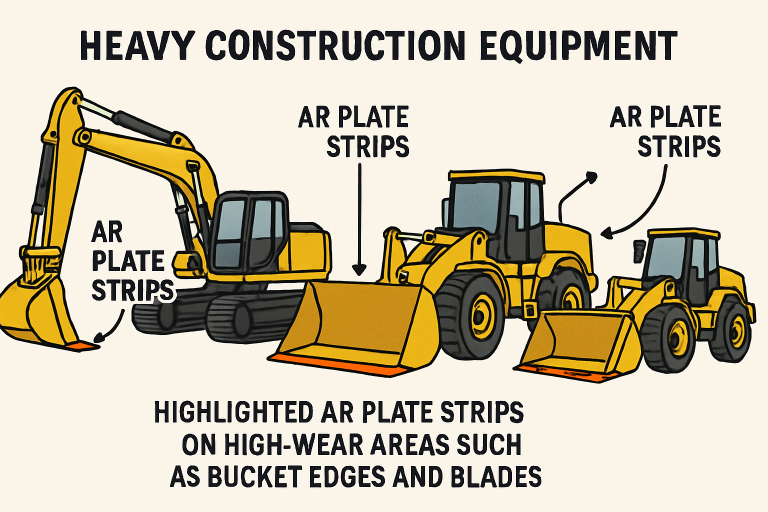
In the demanding environments where heavy machinery operates, continual exposure to gravel, sand, and debris is unavoidable. Equipment such as excavators, loaders, and bulldozers endures extreme friction, especially at high-wear points like bucket lips, edges, and blades. Integrating AR plate strips at these crucial locations dramatically extends operational life, delaying costly replacements and repairs and reducing the risk of unexpected breakdowns during use. This is particularly evident in mining and aggregate processing, where even marginal improvements in steel durability can translate to substantial reductions in overall operating expenses.
Structural Applications in Building Construction
The value of AR plate strips extends well beyond machinery. In the realm of building construction, they reinforce structural components that are routinely subjected to physical stress or abrasion. Beams, columns, and flooring supports, particularly in industrial or commercial settings, benefit from the added robustness these strips provide. This ensures that foundational elements can withstand both the test of time and the rigors of daily use, minimizing safety risks associated with structural degradation.
Protective Linings and Chutes
Another prominent application is found in the lining of chutes, hoppers, and conveyor systems used across industries such as agriculture, materials handling, and mining. As bulk materials are transported or processed, constant movement can quickly erode traditional linings, requiring frequent maintenance shutdowns. High-performance AR plate strips act as sacrificial layers, absorbing abrasion and shielding the underlying structure. This dramatically reduces intervals between repairs, boosting efficiency and lowering the total cost of ownership.
Considerations for Selecting AR Plates
Choosing the right AR plate for a given application requires a nuanced understanding of both the operational environment and the expected abrasion. The Brinell Hardness Number (BHN) is often cited as a benchmark for abrasion resistance, with higher values indicating greater resistance to scraping and impact. However, selecting a plate with excessive hardness can lead to brittleness, making it more susceptible to cracking under heavy loads or shock. Balancing hardness and toughness, along with considering thickness and grade, is vital to achieving optimal performance. When making these decisions, consulting detailed material specifications and performance data is strongly recommended, as reflected in guidance from reputable sources such as AZoM.
Maintenance and Longevity
To maximize the benefits of AR plate strips, regular inspection and preventive maintenance are indispensable. Monitoring for subtle signs of wear, such as thinning or surface pitting, enables timely corrective actions before small issues escalate into major failures. Adapting maintenance schedules based on exposure to harsh environments, chemical agents, or moisture helps further extend service life. This proactive approach enhances safety and ensures continuous operation at peak efficiency.
Future Trends in AR Plate Applications
Material science continues to lead innovation in the construction industry, with new methods and alloys enhancing the versatility of AR plates. Recent advancements in fabrication processes, such as precision roll forming, allow for custom shapes and configurations, making it easier to integrate AR plate strips into complex designs. As sustainability and cost-effectiveness become ever more important, expect the adoption of AR plates to accelerate, driven by their proven ability to reduce waste and improve performance.
Conclusion
AR plate strips have emerged as invaluable assets in the modern construction sector, offering powerful solutions to the persistent issues of abrasion and wear. Their roles range from heavy machinery reinforcement to structural protection and efficient bulk material handling. By making informed decisions about material selection and adhering to best maintenance practices, project managers and engineers can unlock long-term reliability and efficiency, ensuring the enduring value of their infrastructure and equipment.